
Refrigerated van donation
Donate a refrigerated van when the deliveries stopped
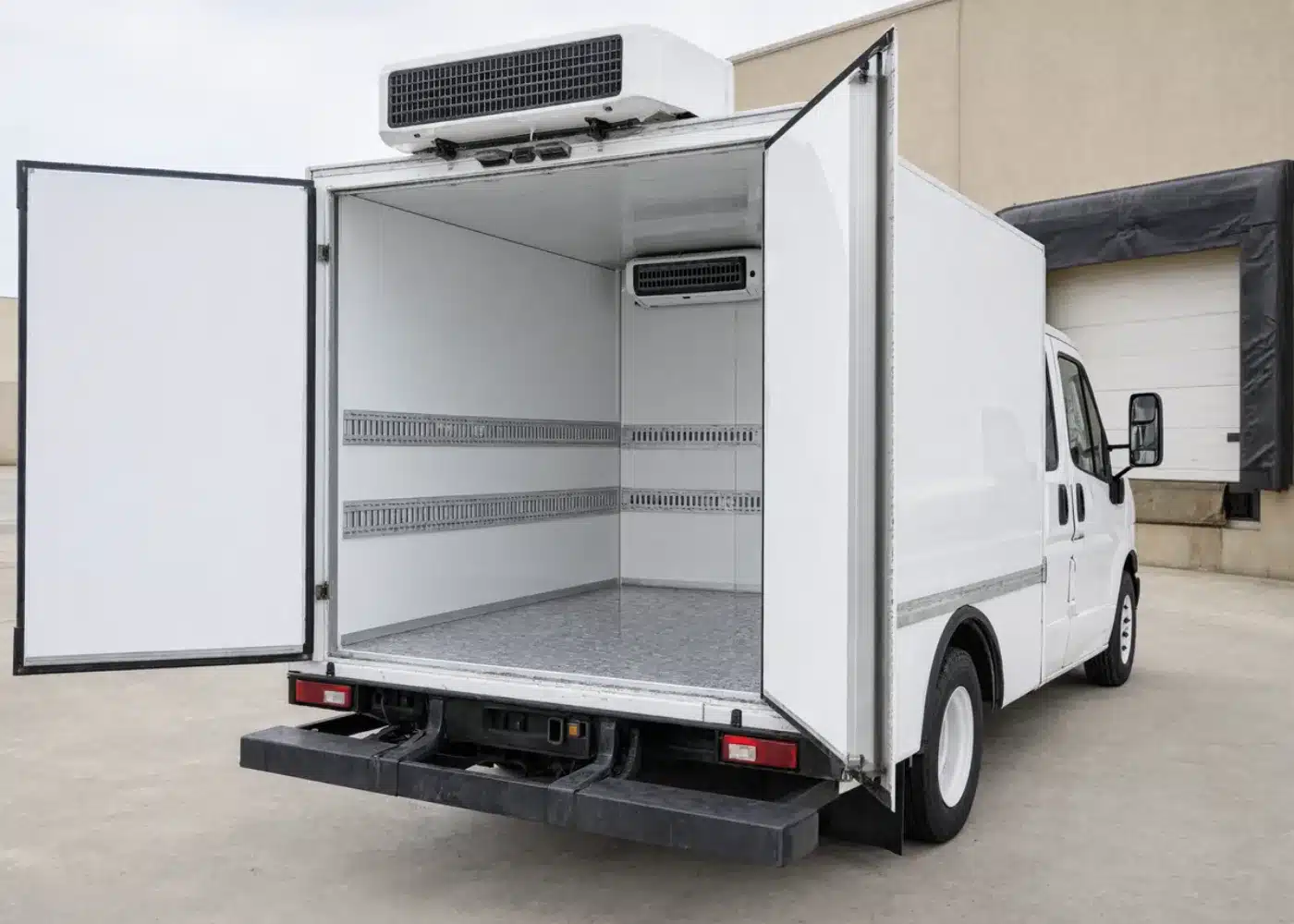
A reefer van is a van plus a refrigeration unit, and buyers price the two separately. That means a tired van with a good unit and a good van with a dead unit are both worth a conversation, which is not obvious until somebody tells you.
Where donated reefer vans come from
Caterers, florists, meal delivery services and small food distributors. A route changes or the business moves to a carrier, and the van sits with the unit still on it.
Pharmacies, labs and medical couriers running cold-chain deliveries. Those vans are usually well maintained and lightly loaded.
Food banks and nonprofits upgrading. Those come to us fairly often and tend to be in good shape.
Driven or towed, and the unit stays off
A running registered van gets driven. A dead one gets towed as ordinary van work, which is inexpensive enough that the math works on a non-runner in most places.
The refrigeration unit does not need to work and does not need to run during transport. Tell us what it does when you turn it on, and whether it pulls temperature.
Clean the box out completely. This is the one thing that matters most here: a reefer box that has sat with spoiled product in it is a health problem and a real cost, and that cost comes straight out of what the cause receives. Empty it, wash it, leave the doors cracked.
What decides what a reefer van brings
- The refrigeration unit. Make, model, hours and whether it pulls temperature. A working unit is most of the premium over a plain cargo van.
- Liner and insulation condition. Cracked or delaminated liner, a soft floor, and door seal condition. These decide whether the box holds temperature at all.
- Single or multi-temp. A multi-temperature setup with a bulkhead sells to a better-paying buyer.
- Chassis, mileage and engine. Standard van considerations, plus whether the engine has the power to run a nose-mounted unit.
- Rust and roof penetrations. Where the unit mounts through the roof or bulkhead is a common leak point.
Makes and bodies we accept
Buyers name the reefer unit before the van.
- Refrigeration units: Thermo King V-series and C-series, Carrier Transicold Citimax and Xarios, Hwasung, Kingtec, Zanotti, Tropicool, Mitsubishi.
- Chassis: Mercedes-Benz Sprinter, Ford Transit and E-series, Ram ProMaster, Chevrolet Express, GMC Savana, Nissan NV, Isuzu NPR for larger boxes.
- Liners and upfit: Kold Locker, Johnson, Kidron, TKS, and liftgates from Maxon, Waltco and Tommy Gate.
Manufacturer names appear here so you can find your own vehicle. No manufacturer sponsors, endorses or is affiliated with this program.
The paperwork, and what you can deduct
It is a titled vehicle, so the title has to transfer. If it is lost, most states have a duplicate process and the state title rules page walks through yours. If it was financed we need the lien release. Fleet vehicles are usually owned by a company, a municipality or a nonprofit rather than a person. Whoever signs needs authority to sign for the entity, and if you are a public body your own surplus-property rules may require a resolution on file.
Giving Center sells the van and your deduction is the gross sale proceeds on Form 1098-C. A running van with a working unit usually lands between $500 and $5,000, where Form 8283 Section A applies and no appraisal is required. A late-model van with a good multi-temp unit can clear $5,000, where a qualified appraisal is required at your expense.
A high-mileage van with a dead unit and a delaminated liner can sell under $500, where the deduction is the lesser of fair market value or $500 with a written acknowledgment. If you are donating several units, put the count on the form. One mobilization for four vehicles costs far less than four separate pickups, and the difference stays with the cause.
Refrigerated van donation questions
The reefer unit does not work at all.
Still worth donating in most cases. It sells as a dry cargo van or to a buyer who will replace the unit. Tell us what it does so the listing is honest.
Do I really need to clean the box?
Yes, and it matters more here than anywhere else. Spoiled product in a sealed insulated box is a genuine health issue and the cleanup cost comes out of what the cause receives.
The liner is cracked in a few places.
Normal wear and priced in. Delamination and a soft floor are more serious because the box stops holding temperature.
Do you take larger reefer box trucks too?
Yes, on refrigerated trucks. This page is for vans.
We are a food bank replacing two vans.
Put both on the form. One trip for two is cheaper and the saving stays with the cause.
Giving Center does not provide tax, legal or financial advice. Donations are deductible to the extent allowed by law. See IRS Publication 526, Publication 561 and Publication 4303, and consult a tax professional.