
Cargo van donation
Donate a cargo van and clear the lot on a date you choose
Cargo vans sell faster than anything else in this category, because every trade and delivery operation wants one. That makes them a good donation and an awkward asset to hold: a van sitting on a leased lot costs insurance, registration and space while it waits for a buyer who is in no hurry.
Where donated vans come from
Service companies closing a branch, contractors consolidating, delivery operations turning over a fleet, and churches or nonprofits that were given a van years ago and no longer have a driver for it. In every case the van still works; it simply has nowhere to be, and a lease is ending or a landlord wants the lot empty.
Individuals reach us too, usually with a van bought for a business that did not take off, or a passenger van from a family whose children have grown. Those often have low mileage and a clean interior, which sells well.
Driven away, or hauled if it does not run
A road-legal van is driven by a transport driver. One that runs but is not legal to drive goes on a flatbed; a non-running van is winched onto a rollback. Giving Center arranges and pays for it. Several vans from one lot are usually cleared in a single visit.
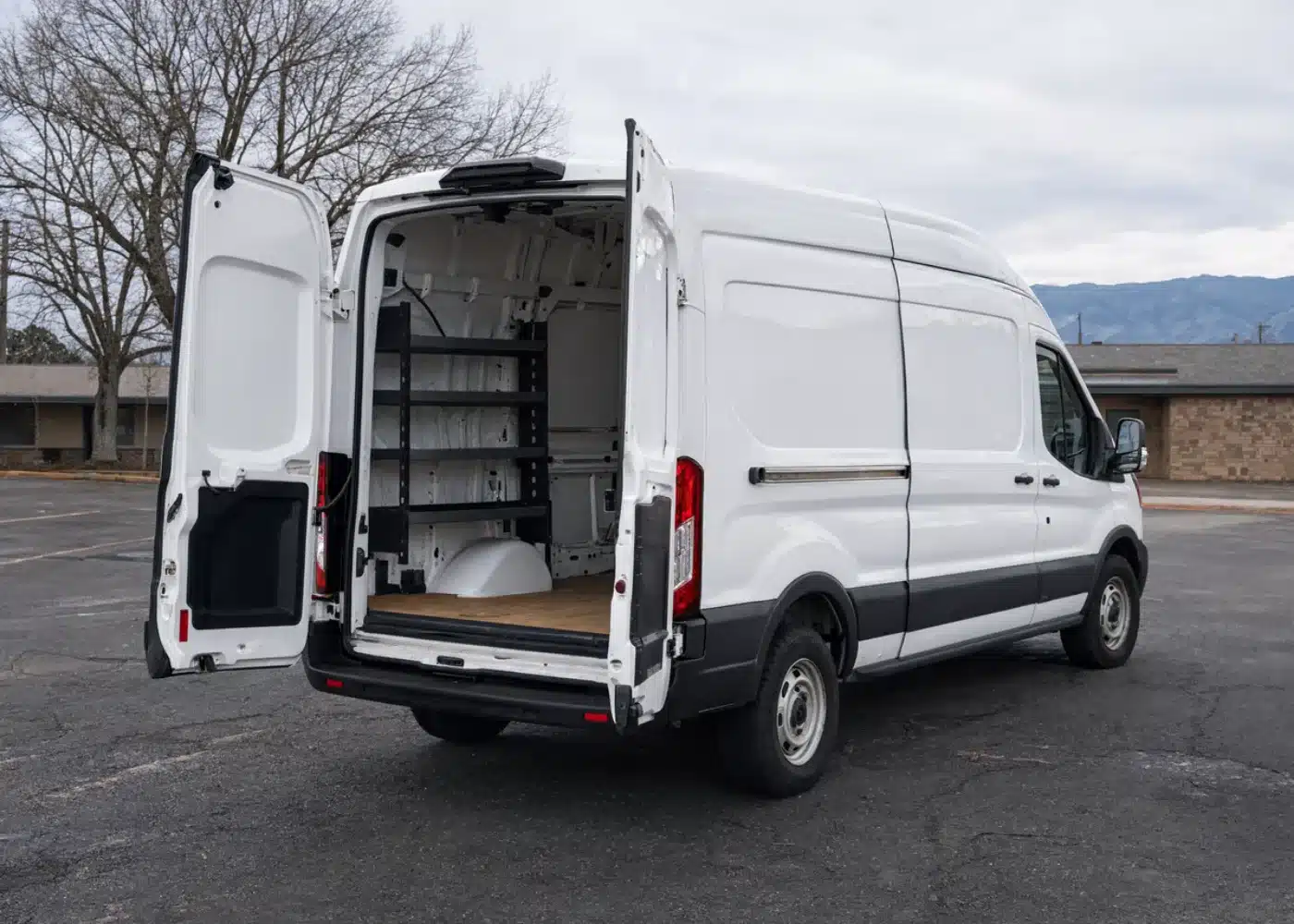
Empty the cargo area and leave it unlocked for inspection. Tell us about shelving, partitions, racks and any wrap or lettering, and whether you want the signage removed before sale; we can arrange it.
What decides what a cargo van brings
- Mileage and engine, since these vans routinely work past 200,000 miles when maintained.
- Wheelbase and roof height, with high-roof extended vans in strongest demand among trades.
- Shelving and upfit, which adds value when it is usable and subtracts when it must be stripped out.
- Rust in rockers and floor, the common failure point on older vans in salt states.
- Transmission condition, the most expensive typical repair.
- Interior and lettering. A clean, unwrapped van reaches more buyers.
The paperwork, and what you can deduct
These are titled vehicles, and when the title is in an organization's name an authorized officer signs, usually supported by a letter on letterhead, a corporate resolution, or for a public body the minutes or purchase order authorizing the disposal. Leased units cannot be donated until bought out and titled; financed units need a payoff letter and lien release. Apportioned and IRP plates are canceled by you after pickup.
Your deduction is the gross sale proceeds once Giving Center sells it, on Form 1098-C. Above $500 you file Form 8283 Section A; above $5,000 the IRS requires a qualified appraisal you obtain and pay for. Where the donor is a business, the receipt and 1098-C are issued in the business name and the deduction follows your entity's treatment, which your accountant can confirm. Full detail on the tax benefits page.
Cargo van donation questions
Can our company donate several vans at once?
Yes. Multi-unit disposals are scheduled as one visit where possible, and each van receives its own 1098-C.
Should we remove the shelving and the lettering?
Usable shelving can stay and often adds value. Lettering is your call; we can arrange removal before sale if you would rather it not be on the road.
Do you take vans that do not run?
Yes. A late-model van with a failed transmission still sells to rebuilders.
Can a church donate a passenger van?
Yes. The acknowledgment is issued to the organization, which supports your disposal records even though a tax-exempt body takes no deduction.
Giving Center does not provide tax, legal or financial advice. Donations are deductible to the extent allowed by law. See IRS Publication 526, Publication 561 and Publication 4303, and consult a tax professional.