
Box truck donation
Donate a box truck and be done with the insurance, the plates and the parking
A moving company downsizing its fleet, a delivery route that ended, a furniture store that closed, or a cube van that has been the most expensive thing in your driveway for two years. Box trucks sell readily to small businesses, and donating one moves it off your books in a single pickup.
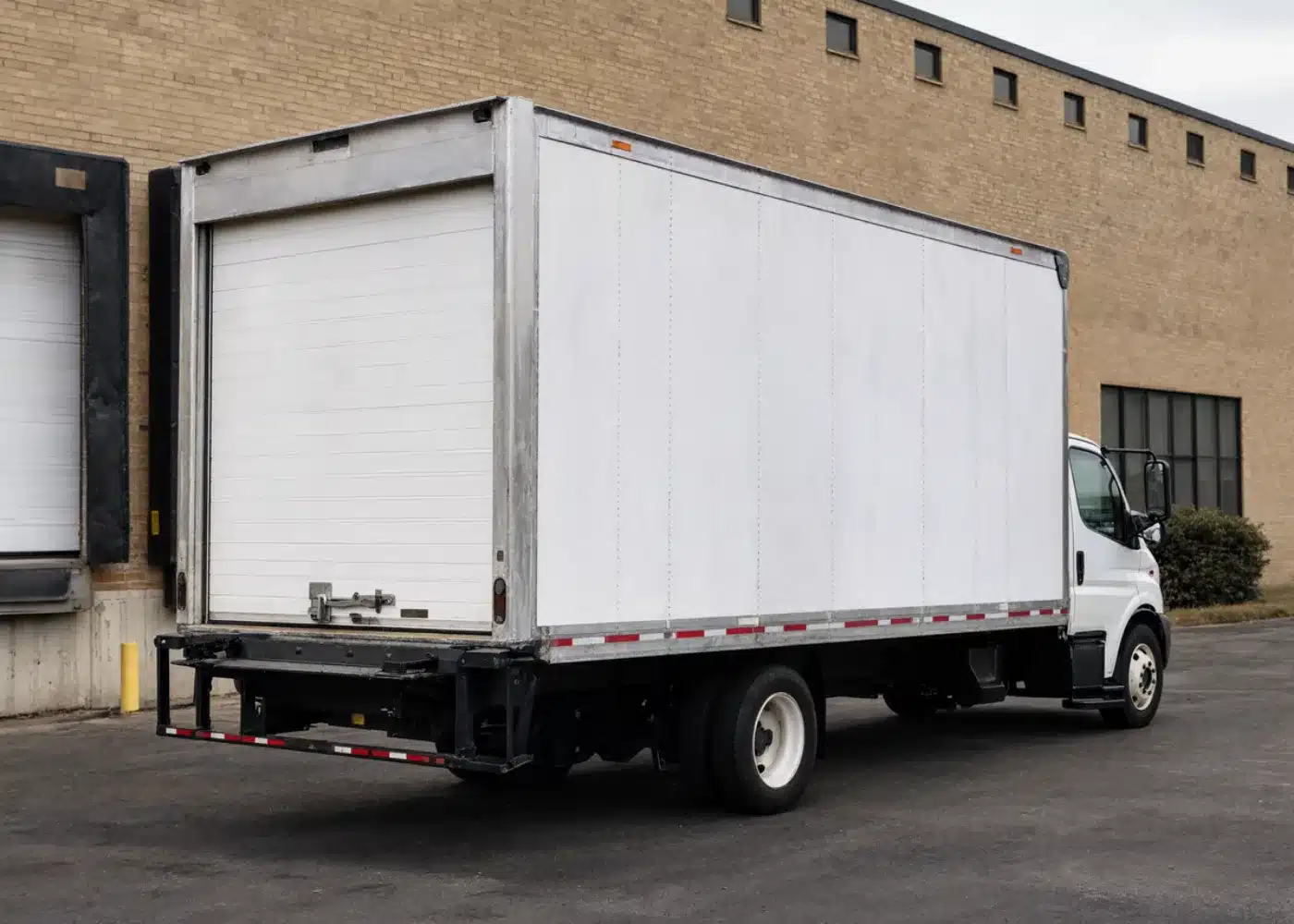
The situations that turn a box truck into a donation
Box trucks arrive from businesses more often than individuals. A mover, courier or caterer replaces a unit and the old one sits at the back of the lot costing insurance and a parking space. A retail store closes and the delivery truck is the last asset to clear. A nonprofit that received a truck years ago no longer has a driver for it. And individuals reach us with the cube van bought for a move or a side business that never took off.
Selling a commercial truck privately means dealing with buyers who want to see maintenance records, put it on a lift, and negotiate over the liftgate and the tires, while you keep paying commercial insurance. Donating one to Giving Center ends the carrying cost at pickup, with the 1098-C reflecting what a buyer actually paid for it.
Driven away if it runs, hauled if it does not, at no expense to you
A running box truck with a current inspection is usually driven by a transport driver with a dealer or transporter plate. A truck that runs but is not road-legal goes on a flatbed or is towed. A non-running truck is winched onto a heavy-duty rollback or hauled on a lowboy if it is a 26-footer. Giving Center arranges and covers whichever applies.
Trucks over 26,000 pounds GVWR need a CDL driver, which we account for in scheduling. Fleet disposals of several trucks from one lot can be picked up in one visit. Leave the box empty and unlocked for inspection, and let us know if the liftgate works.
What decides what your box truck sells for
- Mileage and engine. Diesel trucks with 150,000 to 300,000 miles are normal; gas trucks with lower mileage are sought by small businesses. A recent DOT inspection helps.
- Box length and construction. 16, 20, 24 and 26-foot boxes serve different buyers. Aluminum or FRP boxes without roof leaks hold value; water damage to the floor does not.
- Liftgate. A working tuck-under or railgate lift adds real value. A failed one should be disclosed.
- GVWR and license class. Trucks under 26,001 pounds that a non-CDL driver can operate sell to the widest range of buyers.
- Tires, brakes and cab. Wear items a buyer will price into the offer.
- Emissions and year. Some states restrict older diesel trucks from commercial operation, which shifts where the truck sells best.
Refrigerated boxes are a separate category with a reefer unit whose hours matter as much as the truck's mileage; tell us if yours has one.
Title, lien and lease: how each is handled
Box trucks are titled like any truck. If the title is in a business name, an authorized officer signs and we may ask for a corporate resolution or a letter on company letterhead. If the truck was financed, a payoff letter from the lender and a lien release are needed before sale, and we will walk you through requesting them. A leased truck cannot be donated until the lease is bought out and title issued in your name.
If the title is missing, most states issue a duplicate to the registered owner in one to four weeks. Our state title rules page has the steps for yours. Fleet trucks registered under IRP or with an apportioned plate can be donated; the plates and registration are canceled by you after pickup.
Whether to expect the $5,000 appraisal step
Often, but not always. A running late-model box truck with a liftgate commonly sells above $5,000, and if your claimed deduction exceeds that amount the IRS requires a qualified appraisal you obtain and pay for, plus Form 8283 Section B signed by the appraiser and by Giving Center. Older high-mileage trucks and non-running units frequently sell below the threshold, in which case Form 1098-C is what you need.
Because your deduction is the gross sale proceeds, we tell you before pickup which side of the line the truck is likely to fall on so you can decide about the appraisal with the full picture.
What the first call covers
Year, make, model and GVWR; box length and whether the liftgate works; mileage, whether it runs and drives, and anything a buyer would notice; the title situation including any lien or business ownership; and where it is parked. For fleet donations we also cover how many units, timing, and whether you need the receipt issued to the business. You leave the call with a transport plan, a realistic value range, and a pickup window.
Box truck donation questions
Can a business donate a box truck and claim the deduction?
Yes. The receipt and Form 1098-C are issued to the business, and the deduction follows your entity's tax treatment. Ask your accountant how it applies to a corporation, partnership or sole proprietorship.
Do you take box trucks with a failed engine or transmission?
Usually. Late-model trucks with a blown engine still sell to rebuilders. Older trucks with a long tow may return little after transport, and we will tell you if a local buyer would do more good.
What if there is still a loan on the truck?
The lender must be paid off and release the lien before sale. If the truck is worth more than the balance, the payoff comes out of the proceeds and your deduction is the gross sale amount. If it is underwater, you would need to cover the difference; we will tell you honestly whether that makes sense.
Can you pick up several trucks at once?
Yes. Fleet disposals are scheduled as one pickup where possible, and each unit receives its own 1098-C.
Do you take refrigerated box trucks?
Yes. Tell us the reefer make and hours, and whether it holds temperature. Reefer condition affects value as much as the truck itself.
Giving Center does not provide tax, legal or financial advice. Donations are deductible to the extent allowed by law. See IRS Publication 526, Publication 561 and Publication 4303, and consult a tax professional.