
Excavator donation
Donate an excavator and stop paying to store a machine you no longer run
A 20-ton machine parked since the last subdivision, a mini excavator that a landscaping business replaced, or the one piece of iron in a family estate nobody knows how to sell. Giving Center hauls it, sells it to an operator who will use it, and sends you Form 1098-C for the proceeds.
When donating an excavator makes more sense than selling it yourself
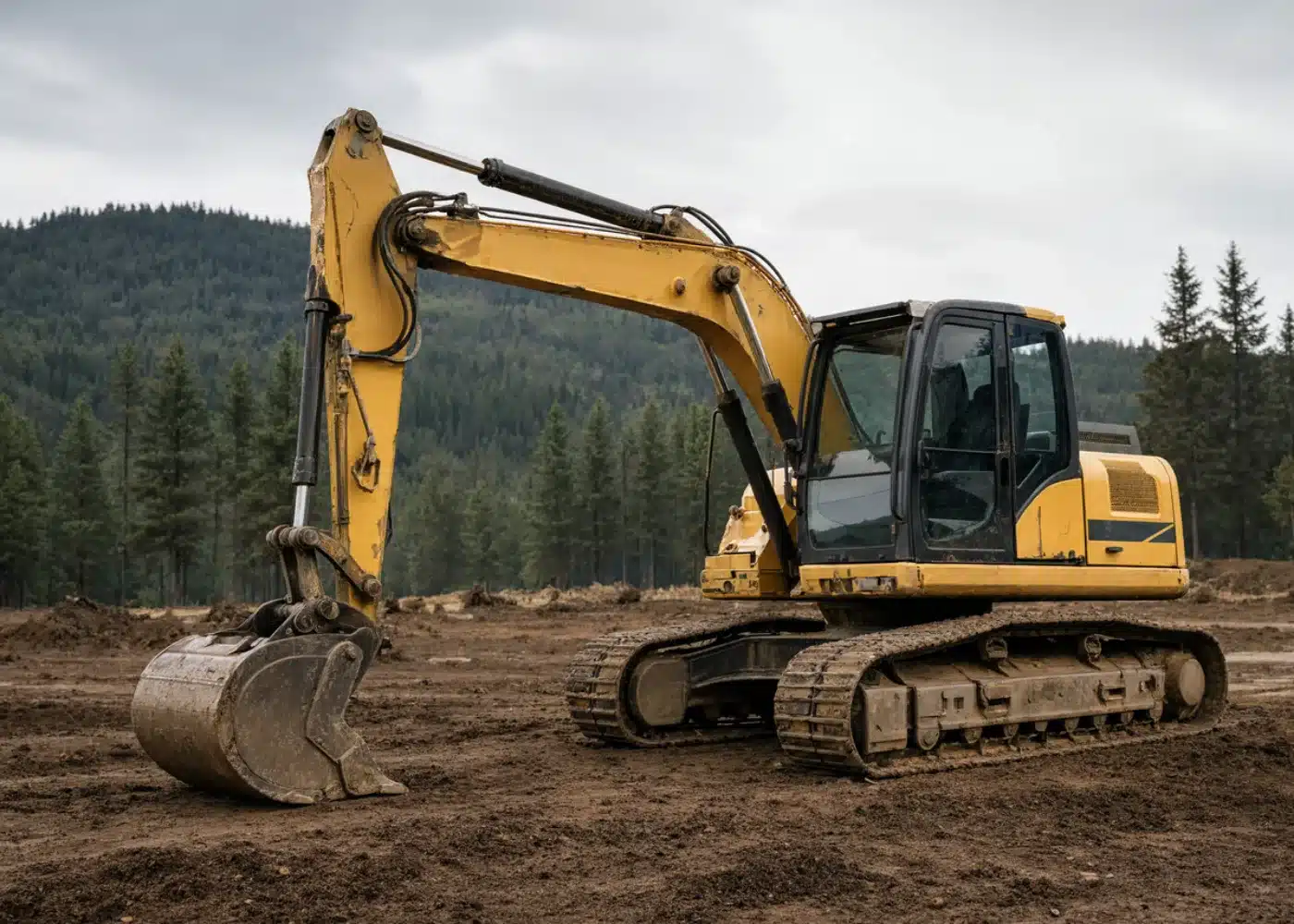
Most excavators reach us at a turning point. A contractor retires or winds down a company and has one machine left that the buyer of the business did not want. An estate includes a mini excavator the family has no use for and no idea how to price. A rental or landscaping fleet turns over and the oldest unit is not worth the trouble of selling. A church, school or municipality has a machine on the books that a grant paid for years ago.
Selling a used excavator privately means fielding calls, arranging demonstrations, and negotiating with buyers who know the market better than you do, then handling a wire transfer and a bill of sale. Consigning to an auction means transport and commission come off the top and you wait for the sale date. Donation puts the same machine in front of the same buyers, with Giving Center carrying the logistics and the deduction taking the place of a sale price.
The haul is arranged for you, down to the trailer and the permits
Excavator size decides everything about transport. A mini excavator under about 10,000 pounds rides on a tilt-deck or a heavy equipment trailer behind a one-ton truck. Mid-size machines in the 12 to 25 ton range need a lowboy. Anything larger, or anything over legal height with the boom folded, goes on a removable-gooseneck trailer with oversize permits, and sometimes an escort. Giving Center books the hauler and covers the cost.
Before pickup we ask three practical questions: can the machine walk onto the trailer under its own power, is there room on site for a 70-foot combination to turn, and is the ground firm enough for a loaded lowboy. If the answer to the first is no, the hauler brings a winch or we arrange a loader. Tracks should be reasonably clean and the boom lowered; the driver handles tie-downs.
What decides what your excavator brings at sale
Buyers of used excavators look at a short list, and the same list decides the gross proceeds on your Form 1098-C:
- Hours. Under 5,000 is desirable on a full-size machine; under 2,000 on a mini. A replaced or reset meter should be disclosed.
- Undercarriage. Tracks, sprockets, rollers and idlers are the most expensive wear items. Percent remaining matters more than paint.
- Hydraulics. Cylinders that hold under load, no significant leaks at the swing motor, boom or stick, and a pump that does not whine.
- Engine. Cold start, no blow-by, no coolant in the oil. Emissions tier affects where the machine can legally work in some states.
- Attachments. A hydraulic thumb, a quick coupler, extra buckets or a hammer can add meaningfully to what a buyer pays. Include them.
- Brand and model. Common models from major manufacturers sell fastest and to the widest pool of buyers.
Photos of the hour meter, serial plate, undercarriage and each side let us give you a realistic range before anything is scheduled.
The paperwork you already have is almost certainly enough
Excavators are not titled. Ownership is shown by a manufacturer's statement of origin if the machine was bought new, or a bill of sale matched to the serial plate if it was bought used. A fleet asset list or depreciation schedule works for a business. If the machine was financed, a lien release or payoff letter from the lender is needed before sale, and we will help you request it.
If none of that exists, which happens with older machines and inherited ones, tell us. A notarized affidavit of ownership with the serial number is accepted by most auction houses, and we will tell you which one is needed for your situation before pickup rather than after.
Whether to expect the $5,000 appraisal step
Yes, for most excavators. Working full-size machines routinely sell for well above $5,000, and many mini excavators do too. When your claimed deduction exceeds that figure, the IRS requires a qualified appraisal that you obtain and pay for, from an appraiser independent of Giving Center. The appraiser signs Form 8283 Section B, Giving Center signs to acknowledge receipt, and you attach it to your return along with the 1098-C.
Because your deduction is the gross sale proceeds, the appraisal serves to document the claim, not to set it. We tell you before pickup whether the machine is likely to clear the threshold so you can decide about the appraisal cost with the full picture. Older non-running units with a long haul may not, and we will say so.
What the first call covers
Ten to fifteen minutes with someone who does this regularly. We will ask for the make, model, serial number and hours; what is wrong with it, if anything; what attachments are included; where it sits and how a trailer gets to it; and what ownership paperwork you have. You will leave the call knowing the transport plan, the realistic value range, whether the appraisal step applies, and the likely pickup window. Nothing is committed until you sign at pickup.
Makes and models we accept
Excavators are shopped by make and model number. Have the data plate in hand.
- Caterpillar: 303 through 315, 320, 323, 330, 336 and 349, plus the older 200 series.
- Other majors: John Deere 135G through 870G, Komatsu PC series, Hitachi ZX and Zaxis, Volvo EC and ECR, Kobelco SK, Case CX, Hyundai HX and Robex, Doosan and Develon DX, Link-Belt, Liebherr R series, JCB JS, Sany SY, Sumitomo.
- Attachments: breakers and hammers from Atlas Copco, Epiroc, NPK and Stanley; buckets and thumbs from Werk-Brau, Amulet and Paladin; Geith and Wain Roy couplers.
Manufacturer names appear here so you can find your own machine. No manufacturer sponsors, endorses or is affiliated with this program.
Excavator donation questions
Do you take non-running excavators?
Usually, yes. A common model with a dead engine or a failed pump still sells to rebuilders and parts buyers. The question is whether proceeds justify the haul, which depends on size, model and distance to a buyer. Tell us what is wrong and we will give you an honest read.
Can you pick up from a jobsite or a rural property?
Yes. Jobsite pickups need a contact who can open the gate; rural pickups need firm ground and room for the trailer. Soft fields after rain sometimes mean waiting a week. We plan around it.
What about a mini excavator?
Same process, simpler transport. Most minis go on a tilt-deck and can be picked up quickly. Value depends heavily on hours and whether the tracks are rubber or steel and how much is left on them.
Will you take my attachments and spare parts too?
Please include them. Buckets, thumbs, hammers, couplers, spare filters and manuals all raise the sale price and are covered by the same 1098-C.
How long until I receive Form 1098-C?
Within 30 days of the sale. Equipment typically sells at the next regional auction or to a direct buyer, so allow a few weeks from pickup to sale. You receive an initial written acknowledgment at pickup.
Giving Center does not provide tax, legal or financial advice. Donations are deductible to the extent allowed by law. See IRS Publication 526, Publication 561 and Publication 4303, and consult a tax professional.