
Food truck donation
Donate a food truck when the concept has run its course
A food truck is two assets bolted together: a vehicle and a commercial kitchen. When a concept ends, the kitchen is usually worth more than the chassis, and the buyer pool is people starting out who want exactly that. Selling privately means months of tire kickers; a donation ends the storage and the insurance on a set date.
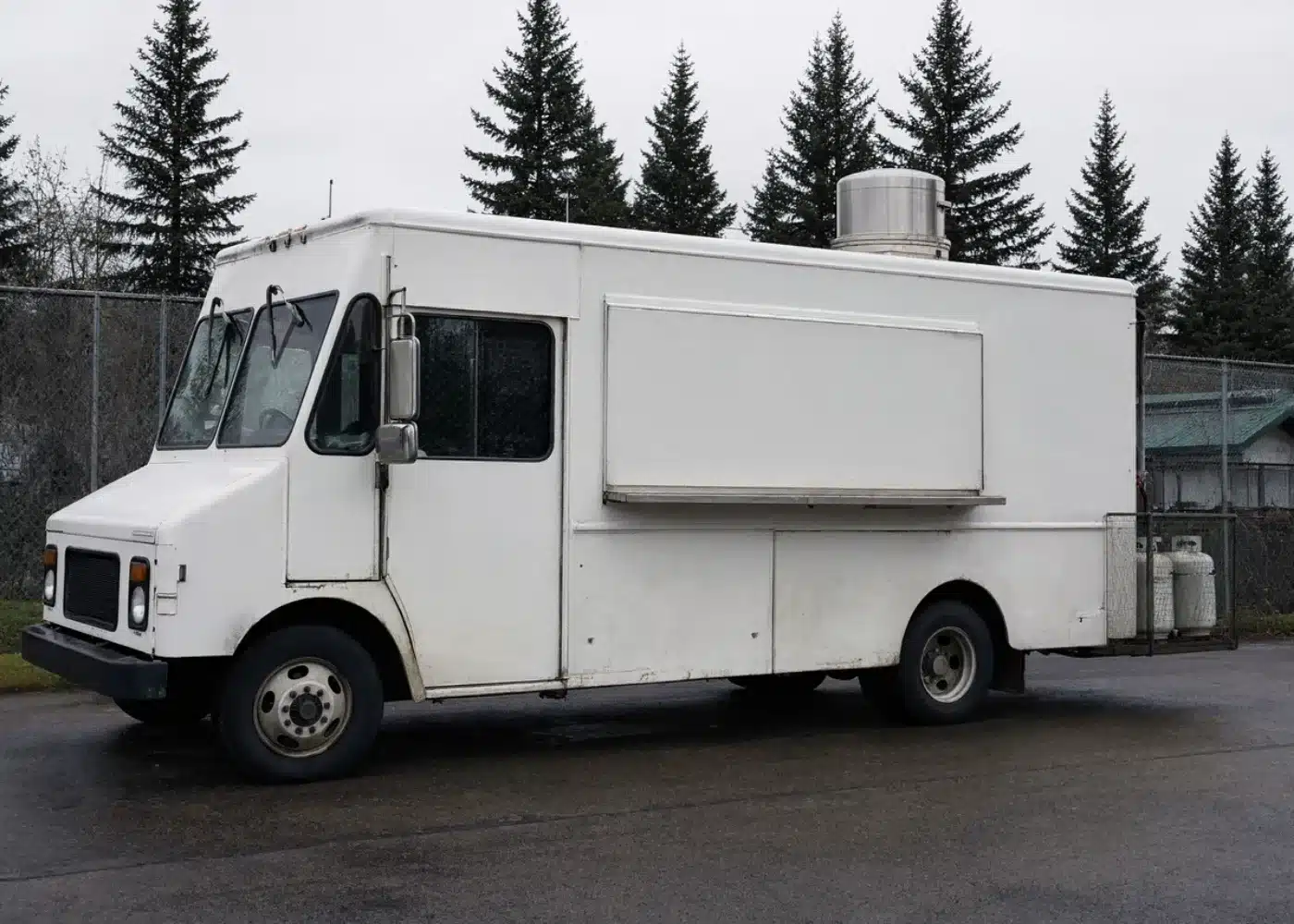
Why food trucks get donated
Because the exit is harder than the entry. An owner closes the business, and the truck goes to a commissary lot at a monthly rate while they try to sell it. Buyers want to inspect the kitchen, verify the hood certification, and negotiate over a generator that may or may not start. Months pass and the storage bill grows.
The other common case is a truck that was built for a very specific menu, where the equipment does not transfer to the next operator's concept. Those sell for the chassis and the certifiable elements rather than the full build cost, and we will be honest about that from the start.
Driven if it runs, hauled if it does not
A road-legal truck is driven by a transport driver. A non-running truck with a good kitchen is worth hauling and goes on a flatbed or rollback. Concession trailers are hitched and towed. Giving Center arranges and pays for it.
Empty the truck of food, remove anything you are keeping, and tell us what is staying: hood, fryers, griddle, refrigeration, tanks, generator and POS equipment. If there is a commissary balance or a storage lien, say so early, because it has to be cleared before sale.
What decides what a food truck brings
- Hood and fire suppression certification, the single most valuable element of the build-out.
- Refrigeration and cooking equipment, in working order and commercially rated.
- Generator, including hours and whether it starts, which buyers test first.
- Water, propane and electrical systems, and whether they would pass an inspection.
- Chassis condition and mileage, which matters less than people expect relative to the kitchen.
- Permits and wrap. Current permits help; a concept-specific wrap usually has to be removed.
The paperwork, and what you can deduct
These are titled vehicles, and when the title is in an organization's name an authorized officer signs, usually supported by a letter on letterhead, a corporate resolution, or for a public body the minutes or purchase order authorizing the disposal. Leased units cannot be donated until bought out and titled; financed units need a payoff letter and lien release. Apportioned and IRP plates are canceled by you after pickup.
Your deduction is the gross sale proceeds once Giving Center sells it, on Form 1098-C. Above $500 you file Form 8283 Section A; above $5,000 the IRS requires a qualified appraisal you obtain and pay for. Where the donor is a business, the receipt and 1098-C are issued in the business name and the deduction follows your entity's treatment, which your accountant can confirm. Full detail on the tax benefits page.
Food truck donation questions
The chassis does not run. Is the truck still worth donating?
Frequently yes. The kitchen carries most of the value, and a non-running chassis with a certifiable hood and good refrigeration still sells.
Do the permits transfer?
Usually not, since permits are tied to the operator and the jurisdiction. Tell us what you hold anyway, because current inspection records still help the sale.
Will you take a concession trailer instead of a truck?
Yes. Trailers are hitched and towed, and the same kitchen value logic applies.
There is a balance owed at the commissary lot.
Tell us the amount on the first call. A storage lien must be cleared before sale and comes out of the proceeds; if it exceeds the value we will say so plainly.
Giving Center does not provide tax, legal or financial advice. Donations are deductible to the extent allowed by law. See IRS Publication 526, Publication 561 and Publication 4303, and consult a tax professional.