
Baler donation
Donate a baler that is not going to make hay again
Balers are the implement most likely to outlast the operation that bought them. Cattle are sold, hay ground is rented out, or a neighbor takes over the cutting, and a machine that cost tens of thousands of dollars sits under a lean-to. Small farms buy used balers constantly.
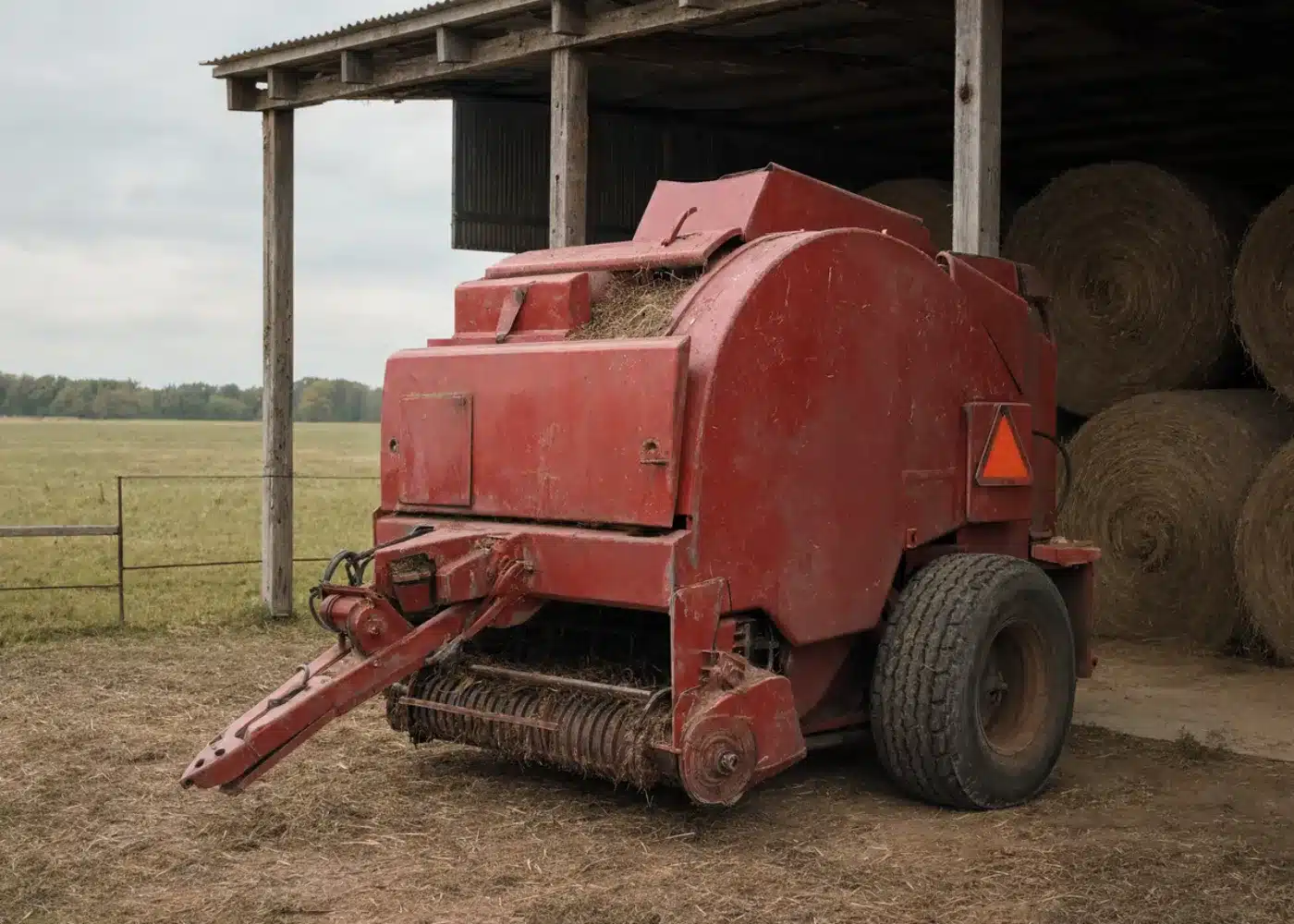
Why balers get donated
A change in livestock or in land use, nearly always. Someone stops running cattle and no longer needs hay. Ground goes into a crop rotation that does not include forage. An aging farmer keeps the tractor for chores and lets the hay equipment go. Estates produce them alongside rakes, tedders and mower conditioners that have not moved in several seasons.
A baler is a hard private sale because buyers are seasonal and local, and because condition is genuinely hard for a stranger to assess from photos. Donation solves both problems: the machine goes to a buyer who inspects it properly, and your deduction is set by what he pays.
Hitched and towed, or trailered
Most balers can be hitched and towed behind a truck for a short move, or loaded on a trailer for a longer one, which is generally the better option since road-towing a baler at highway speed is hard on tires and bearings. Giving Center arranges and pays for the transport.
Tell us whether the tires hold air, whether the tailgate opens and closes, whether the PTO shaft is present, and how a truck and trailer reach the machine. A baler that has sunk into soft ground or has seized bearings simply needs the right equipment, which we send.
What decides what a baler brings
- Bale size and type, with 4x5 and 5x6 round balers the easiest part of the market to sell into.
- Net wrap capability, which buyers now expect and which raises value over twine-only.
- Belt and roller condition, the most common expensive repair.
- Pickup teeth and auger, the parts that wear fastest.
- Monitor and electronics, present and working.
- Storage. A shed-kept baler brings far more than one that has weathered several winters outdoors.
The paperwork, and what you can deduct
Machines in this class are not titled in any state, which is normal rather than a problem. A manufacturer's statement of origin, a bill of sale matched to the serial plate, or a farm or fleet asset record establishes ownership, and for an estate, letters testamentary. Where nothing survives, a notarized affidavit of ownership with the serial number is accepted by most buyers and auction houses.
Your deduction is the gross sale proceeds once Giving Center sells it, on Form 1098-C. Items in this class often sell below $500, in which case you may deduct the lesser of fair market value or $500. Above $500 you file Form 8283 Section A; above $5,000 the IRS requires a qualified appraisal you obtain and pay for. We tell you which to expect before pickup. Full detail on the tax benefits page.
Round baler donation questions
Do you take square balers too?
Yes, along with rakes, tedders, mower conditioners and bale wagons. Use the form on the farm equipment page.
Will you take one with broken belts?
Usually. Belts are a known repair and buyers price them in. Tell us what is broken so the value estimate is realistic.
Can I donate hay equipment without the tractor?
Yes. Implements are accepted on their own and sell readily to nearby farms.
Is an older baler worth the haul?
Sometimes not, if it is a very old machine a long way from a buyer. Every transport cost falls on Giving Center once it is turned over, so we will tell you honestly rather than move it at a loss.
Giving Center does not provide tax, legal or financial advice. Donations are deductible to the extent allowed by law. See IRS Publication 526, Publication 561 and Publication 4303, and consult a tax professional.