
Muscle car donation
Donate a muscle car to a buyer who knows what it is
A muscle car is worth what the documentation and the metal say it is worth, and both take a specialist to judge. Selling one privately means dealing with buyers who know the market better than you do; donating it puts the same car in front of the same buyers with Giving Center carrying the work.
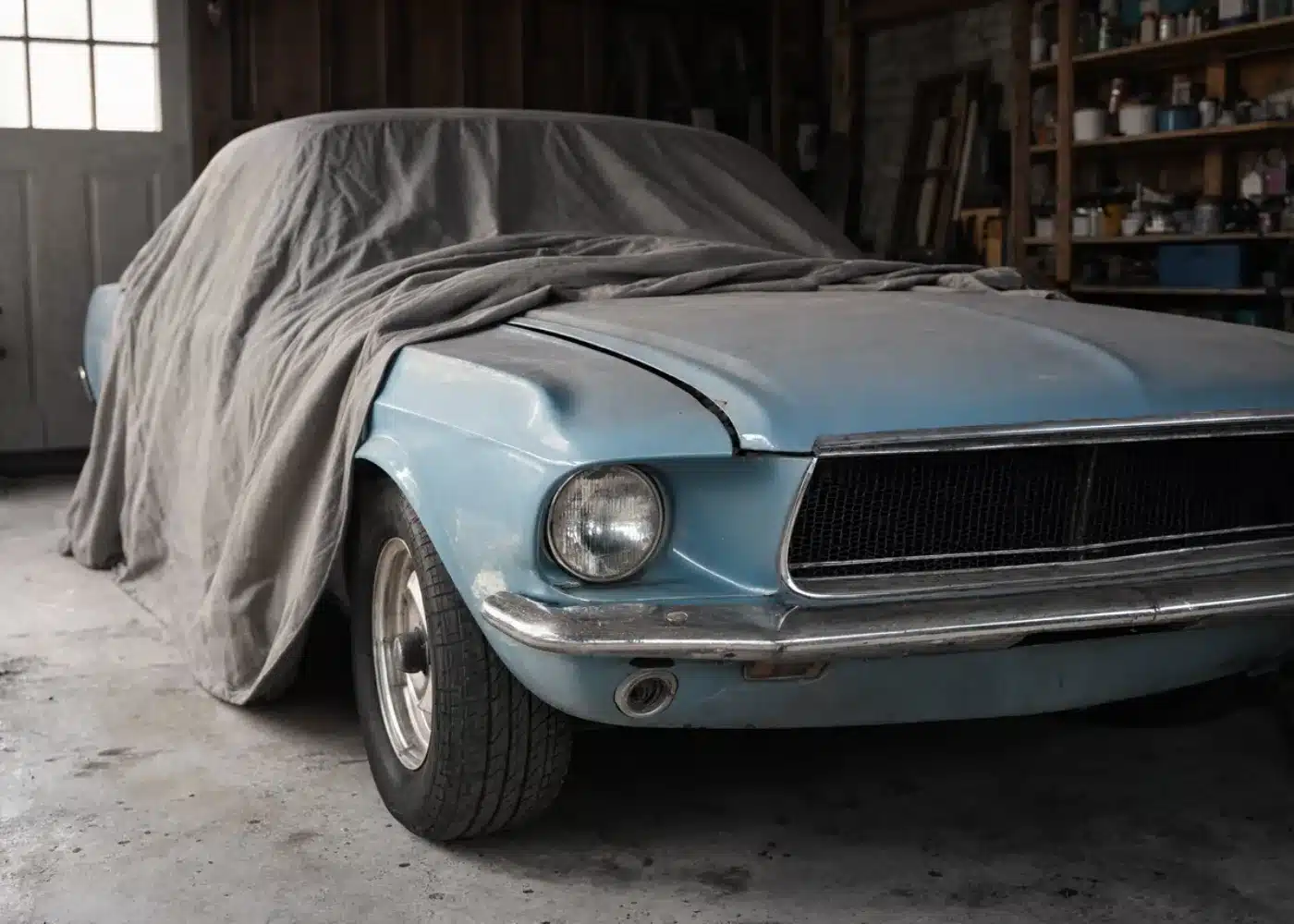
Why muscle cars get donated
Three situations, over and over. An owner in his seventies or eighties knows the car will outlive his ability to drive it and would rather it went somewhere useful than to a flipper at a swap meet. An estate contains a car the family has no connection to and cannot price, with siblings disagreeing by tens of thousands of dollars. Or a collector thinning a collection would rather take a deduction than spend a season negotiating.
The family disagreement is the one we see most. A donation solves it, because the sale produces an independent number that nobody in the family chose and nobody has to defend.
Enclosed transport for cars that warrant it
A car of genuine value travels in an enclosed trailer with soft straps, loaded by a driver who moves collector cars for a living. A project or a parts car goes on an open carrier, which is standard and appropriate. A car that has not run in years is winched, never dragged. Giving Center arranges and pays for it.
Before scheduling we ask whether it rolls and steers, whether the brakes hold, how it is stored, and what the access looks like, since tight garages and long gravel drives change the equipment needed.
What the muscle car market pays for
- Documentation. Build sheet, window sticker, original title history and receipts. Paper is worth money here.
- Numbers matching, engine, transmission and rear, and whether the VIN decodes to the model claimed.
- Rust rather than paint. Floors, frame rails, cowl, quarters and trunk drop-offs.
- The specific combination, since a rare engine, transmission and color combination can multiply value.
- Originality versus a restomod, which appeals to a different and sometimes smaller buyer pool.
- Provenance. A single-family history, a documented show record, or a known race history.
The paperwork, and what you can deduct
You sign the title over at pickup. A long-stored car with a broken ownership chain may need a duplicate, a bonded title, or in a few states a court-ordered title, and this page covers each route. Some states exempt vehicles above a certain age from titling entirely. Any recorded lien must be released before sale, including one paid off decades ago.
Your deduction is the gross sale proceeds once Giving Center sells it, on Form 1098-C. Cars in this class regularly clear $5,000, and when your claim does the IRS requires a qualified appraisal that you obtain and pay for, from an appraiser independent of us, plus Form 8283 Section B signed by the appraiser and by Giving Center. A collector-car specialist is the right appraiser here, not a general valuation service. Full detail on the tax benefits page.
Muscle car donation questions
Will my car be scrapped?
No. Muscle cars are sold into the collector market. Parting out is only ever discussed with you for a car beyond restoration, and never without your agreement.
Do I need an appraisal?
If you intend to claim more than $5,000, which is common here, yes, and the IRS requires you to obtain and pay for it so the appraiser is independent of us. Use a collector-car specialist.
My family disagrees about what it is worth.
Get a qualified appraisal early. It gives everyone the same number from an independent source, and it is the document the IRS wants above $5,000 anyway.
What if it has been sitting for twenty years?
Common and fine. Tell us how it was stored and whether it rolls and steers, and we will plan the loading accordingly.
Giving Center does not provide tax, legal or financial advice. Donations are deductible to the extent allowed by law. See IRS Publication 526, Publication 561 and Publication 4303, and consult a tax professional.