
Antique car donation
Donate an antique car that has outlived the person who loved it
Pre-war and brass-era cars almost always reach us through estates, and they present a particular problem: the family has no idea what the car is, the market for it is small and specialized, and the wrong buyer will offer a fraction of its value confident that nobody will know.
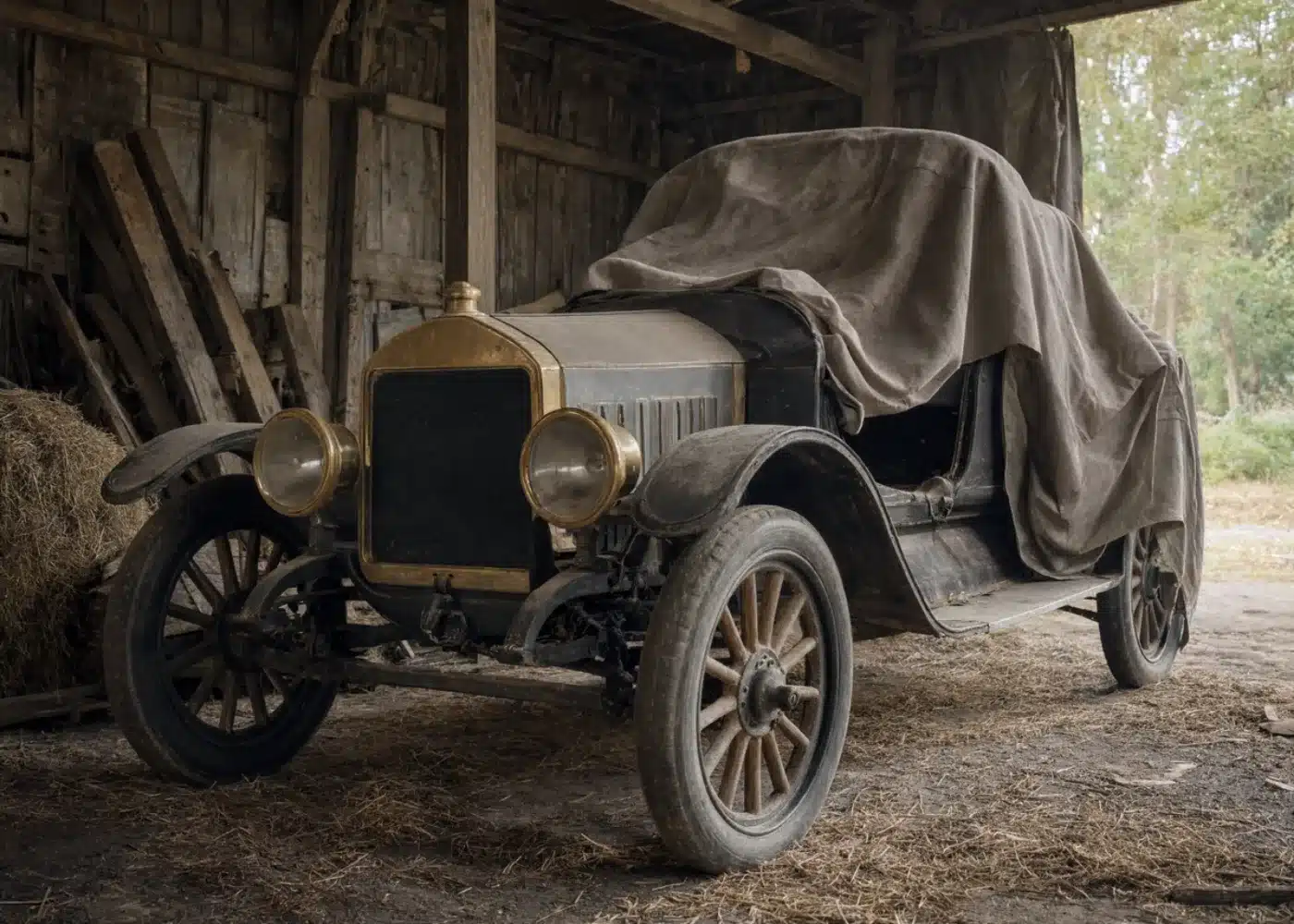
Where antique cars come from
An estate, nearly always. Someone spent forty years with a car, and the heirs inherit an object they cannot value, cannot start and often cannot legally sell yet because the title is in the deceased's name. Meanwhile the barn or garage the car sits in is part of a property being sold.
The buyers for these cars are club members, marque specialists and museums, and they are found rather than advertised to. That is the work a donation takes off your hands: we sell into that channel instead of listing the car where the only people who see it are looking for something else.
Moved the way a pre-war car should be
Antique cars travel in an enclosed trailer, winched rather than driven, with soft straps and wheel nets. Cars with wood-framed bodies, fragile paint or brass fittings are handled by drivers who have moved them before. Giving Center arranges and pays for it.
Tell us whether it rolls, whether the wheels turn freely, whether the brakes exist in any usable form, and how the car is positioned. A car on blocks in a barn with a dirt floor needs a plan made in advance rather than improvised on the day.
What the antique market pays for
- Marque and model, since values in this era vary enormously between makes.
- Completeness, above all else. Brass fittings, lamps, instruments and trim are difficult or impossible to replace.
- Originality, with untouched original cars often worth more than restored ones.
- Documentation and provenance, including club registries, old photographs and ownership history.
- Structural condition, including wood framing on cars that use it.
- Whether the engine turns, which distinguishes a runner from a rebuild.
The paperwork, and what you can deduct
You sign the title over at pickup. A long-stored car with a broken ownership chain may need a duplicate, a bonded title, or in a few states a court-ordered title, and this page covers each route. Some states exempt vehicles above a certain age from titling entirely. Any recorded lien must be released before sale, including one paid off decades ago.
Your deduction is the gross sale proceeds once Giving Center sells it, on Form 1098-C. Cars in this class regularly clear $5,000, and when your claim does the IRS requires a qualified appraisal that you obtain and pay for, from an appraiser independent of us, plus Form 8283 Section B signed by the appraiser and by Giving Center. A collector-car specialist is the right appraiser here, not a general valuation service. Full detail on the tax benefits page.
Antique car donation questions
I have no idea what the car is.
Send photographs of the whole car, the engine, the firewall plate and any badges. We can usually identify it, and if we cannot, we know people who can.
The title is in my late father's name.
That is the normal case. An executor transfers it with letters testamentary or a small-estate affidavit; some states exempt cars above a certain age from titling entirely.
Will you sell it to a museum or a collector?
Wherever the best result is. These cars go to marque specialists, clubs, collectors and occasionally museums, not to auction lots where nobody recognizes them.
Do you take incomplete pre-war cars?
Yes, though completeness drives the value more than in any other class. Box and label every part you can find.
Giving Center does not provide tax, legal or financial advice. Donations are deductible to the extent allowed by law. See IRS Publication 526, Publication 561 and Publication 4303, and consult a tax professional.