
Inherited and estate vehicles
Donate an inherited vehicle without the family negotiation
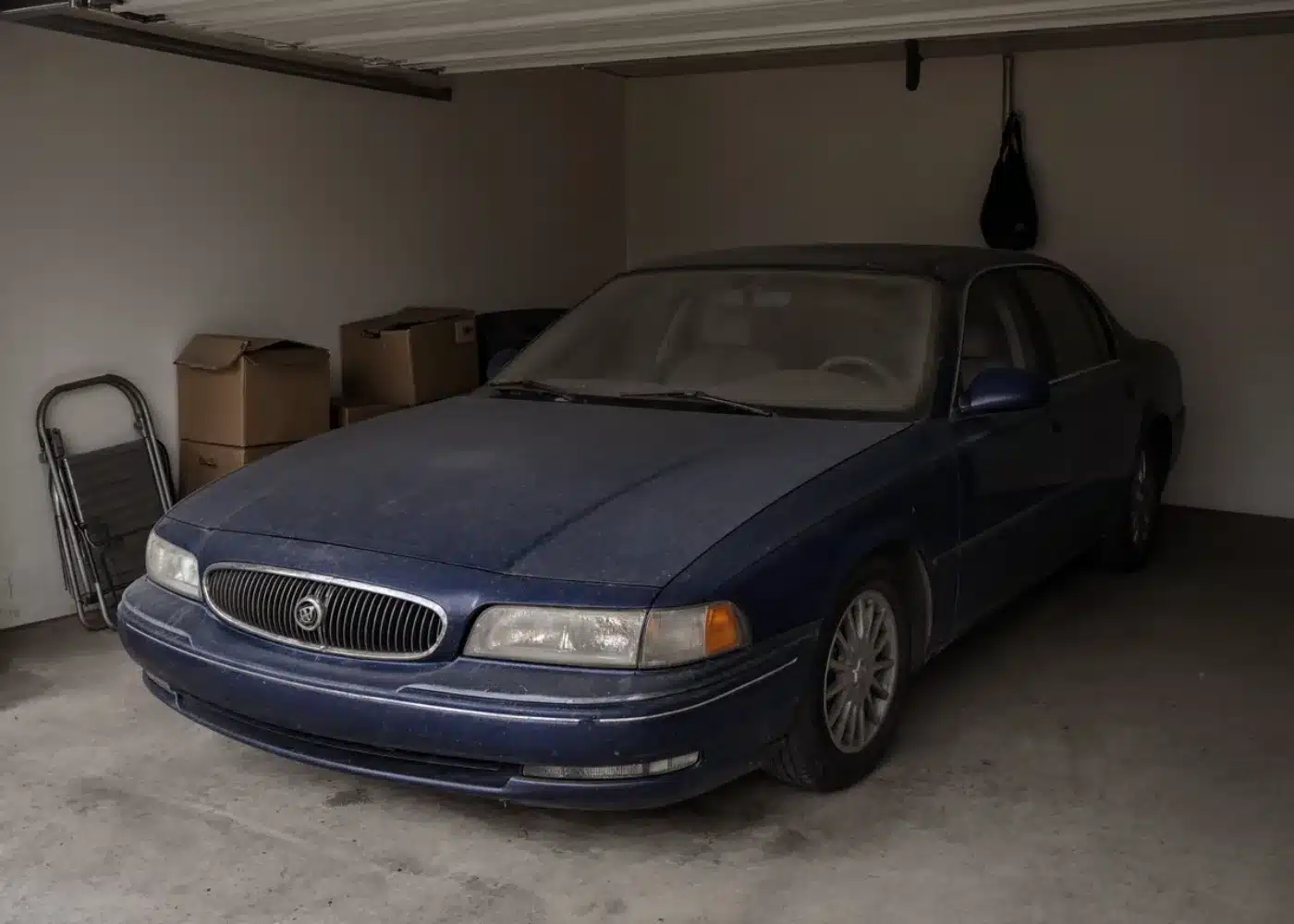
A parent's car sits in a garage four states away while an estate stays open. Nobody in the family wants it, nobody knows what it is worth, and every offer that arrives feels either insulting or suspicious. Donating settles it on a date you choose, with an independent number and a receipt for the estate.
Why inherited cars are the hardest ones to sell
An inherited vehicle carries a problem no listing solves: distance and disagreement. The car is where the person lived, not where you live. One sibling thinks it is worth eight thousand dollars because of what it cost new; another wants it gone this week. Meanwhile the registration renews, the insurance runs, and a car that has not been started in six months is depreciating in a garage.
Selling privately means someone taking days off to meet buyers in another state. A dealer will offer wholesale on a car with no service history it can verify. Donation removes the negotiation entirely: the sale sets the figure, the estate gets the documentation, and the family stops arguing about a number that none of them chose.
Collected from wherever the car has been sitting
Towing is arranged and paid for by Giving Center, anywhere in the country, which matters more here than in any other category because the car is so often nowhere near you. A driver picks it up at the home, a storage unit, a care facility parking lot or a relative's driveway.
You do not need to be present. We can coordinate with a neighbor, a realtor showing the house, an estate attorney or the executor by phone, provided the signed paperwork and keys are accessible. If the house is being sold and the car must be gone by a closing date, tell us that date and we will work to it.
What an inherited car usually brings
These cars follow a pattern: low mileage, careful ownership, long periods of sitting. That combination cuts both ways.
- Low mileage for the year is common and genuinely raises value.
- Long dormancy works against it: old fuel, a dead battery, flat-spotted tires, seized brakes and cracked belts.
- Service records, which older owners often kept meticulously, are worth real money to a buyer.
- Two keys and the original manuals in the glovebox, more often present here than anywhere else.
- Garaged paint and interior, the reason a fifteen-year-old car can present like a five-year-old one.
- Where it sits. A car in a metropolitan area reaches more buyers than one in a rural county.
The paperwork an estate donation needs
If the title is still in the deceased's name, the executor or personal representative signs, supported by letters testamentary, a small-estate affidavit, or whatever instrument your state issues. The receipt and Form 1098-C are made out to the estate, and the estate's return claims the deduction.
Where the estate has already been distributed and the car transferred to an heir, that heir donates it as the owner in the ordinary way. Where no estate was opened at all, most states have a transfer-on-death or heir affidavit process for a vehicle, and we can point you to yours. See state title rules for how the states group.
If a lien was recorded years ago and never released, the lender can issue a release letter. That is common on older cars and rarely a real obstacle.
What the estate can deduct
Your deduction is the gross sale proceeds once Giving Center sells it, reported on Form 1098-C. Items in this class frequently sell for under $500, in which case you may deduct the lesser of fair market value or $500, which is often the better outcome.
Above $500 you file Form 8283 Section A with the 1098-C, and above $5,000 the IRS requires a qualified appraisal you obtain and pay for so the appraiser is independent of us. We will tell you before pickup which case yours is likely to be. The tax benefits page works through all of them.
Inherited vehicle donation questions
Whose name goes on the receipt?
The estate's, if the title is still in the deceased's name and you are acting as executor. We will need a copy of the letters testamentary or the equivalent document naming you.
The car is in another state. Is that a problem?
No. Towing is nationwide and arranged by us. This is the most common situation in this category.
We need it gone before the house closes. Can you work to a date?
Yes. Tell us the closing date on the first call and we will schedule around it.
It has not been started in a year. Does that matter?
It affects what it brings, not whether we accept it. Long-stored cars often need only a battery, fuel and fresh fluids, and buyers price that in.
Can one sibling donate it if several of us inherited it?
Only the executor or the titled owner can transfer it. If the car has been distributed to more than one heir, everyone on the title signs. Call us and we will tell you exactly what your state needs.
Giving Center does not provide tax, legal or financial advice. Donations are deductible to the extent allowed by law. See IRS Publication 526, Publication 561 and Publication 4303, and consult a tax professional.