
Trike and sidecar donation
Donate a trike or sidecar rig when three wheels stopped being enough
Trikes and sidecar rigs get bought for a reason: balance, a passenger who cannot ride pillion, or a rider who wanted to keep going a few more years. When that reason ends, the machine is often low mileage and very well kept, and it goes to somebody with the same reason.
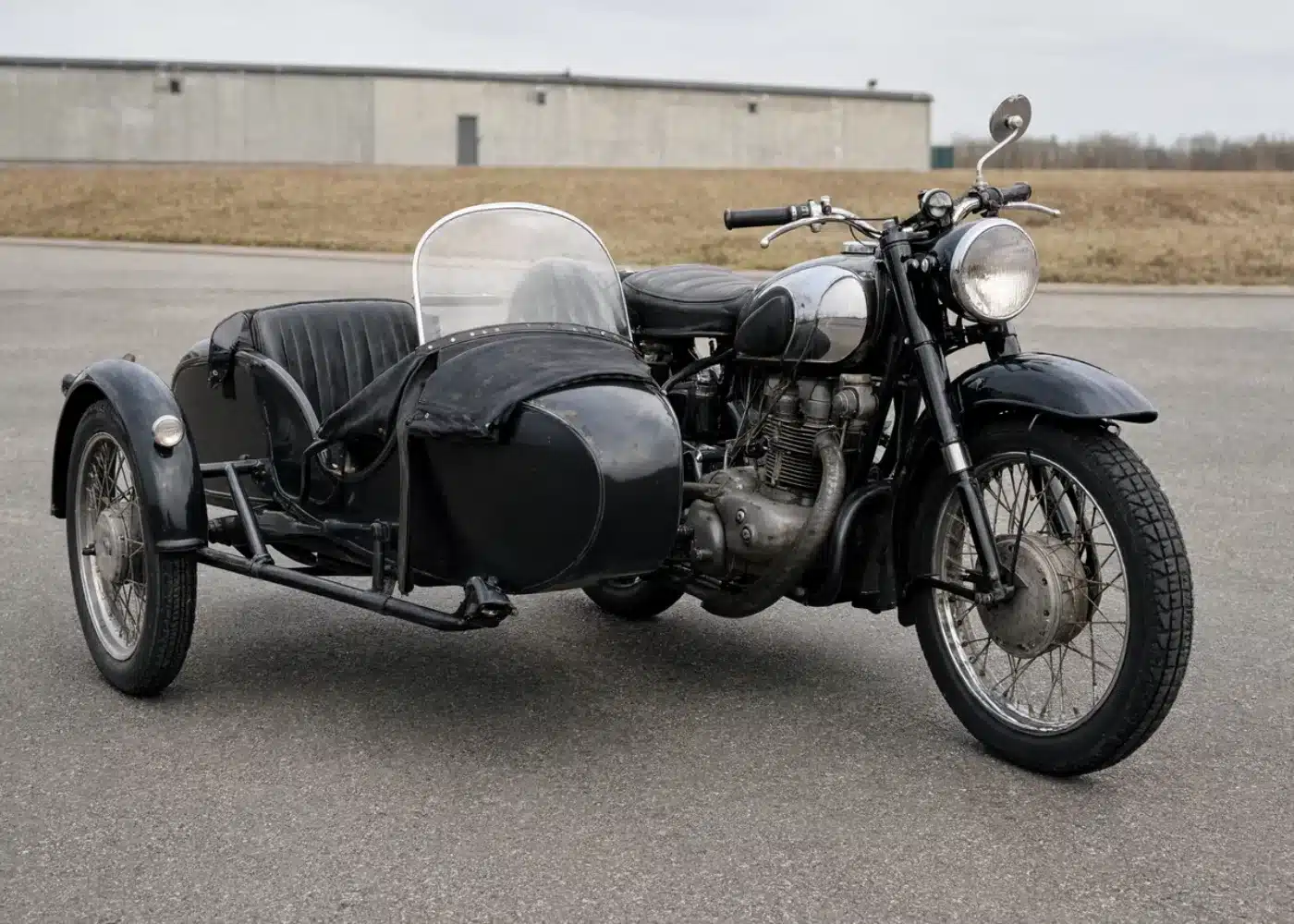
Where these come from
Riders who stopped riding entirely. A trike is very often the last motorcycle somebody owns, bought specifically to extend riding by a few years, and the machines we receive frequently have remarkably low mileage.
Families after a loss. A sidecar rig in particular is usually a two-person machine, and when one of those two is gone the rig sits. We handle those conversations without any pressure and at whatever pace works.
Owners of factory three-wheelers moving on. Those are the most straightforward in this group and they sell into an established market.
Wider than a bike, so tell us
A trike or a rig is too wide for a standard motorcycle chock and too wide for most truck beds. It goes on an open trailer, which is still an inexpensive haul, but the driver needs to know it is three wheels rather than two before he arrives.
Tell us the overall width, whether it runs, and whether it rolls and steers. On a sidecar rig, tell us whether the sidecar is still mounted or has been removed and stored, because a detached chair changes both the transport and the sale.
Leave the sidecar tonneau, windscreen, nose cover and any mounted luggage. Take personal items out of the chair and the trunk.
What decides what one brings
- Factory or conversion. A factory three-wheeler is a known quantity. An aftermarket trike conversion is valued on the quality of the conversion kit and the workmanship, and buyers ask who did it.
- Conversion kit maker. On a converted bike this is a large share of the value. Name it if you know it.
- Mileage and condition of the donor bike. On a conversion, the motorcycle underneath still matters.
- Sidecar completeness. Whether the chair is mounted, whether the mounting hardware and struts are all present, and whether the nose, tonneau and windscreen are intact. A rig missing its mount hardware is much harder to sell.
- Reverse gear and brakes. On a heavy trike, a working reverse and a sound brake system are what a buyer checks.
Makes we accept
Buyers name the machine and, on conversions, the kit.
- Factory three-wheelers: Harley-Davidson Tri Glide and Freewheeler, Can-Am Spyder RT, F3 and Ryker, Honda Gold Wing trike conversions, Polaris Slingshot.
- Trike conversion kits: Lehman, Champion, Motor Trike, CSC, Roadsmith, Frankenstein, Voyager.
- Sidecars and rigs: Ural factory rigs, Champion, Motorvation, DMC, Hannigan, Velorex, Watsonian, and period Harley and BMW chairs.
Not seeing yours? The list above is a search aid, not a restriction. We accept any make or model in this category, named here or not, including orphan brands and builders long out of business. What decides a donation is the condition and the paperwork, never the badge, so put yours on the form even if it is not listed.
Manufacturer names appear here so you can find your own bike. No manufacturer sponsors, endorses or is affiliated with this program.
The paperwork, and what you can deduct
A street motorcycle is a titled vehicle and the title has to transfer. If it is lost, most states have a duplicate process and the state title rules page walks through yours. If there is a loan against it we need the lien release. The VIN is on the steering neck and usually on the engine case as well. One wrinkle specific to this category: a trike conversion or a sidecar fitment sometimes changes how the vehicle is classified on the title, and occasionally the conversion was never recorded at all. Tell us how yours reads and we will sort out what your state needs.
Giving Center sells the machine and your deduction is the gross sale proceeds on Form 1098-C. A factory trike in running condition clears $5,000 in most cases, which means the IRS requires a qualified appraisal and Form 8283 Section B at your expense. A quality conversion or a complete sidecar rig usually lands between $500 and $5,000, where Section A applies.
A sidecar on its own, detached and without mounting hardware, sells for considerably less than a complete rig. If that is what you have, say so and we will give you a realistic figure up front.
Trike and sidecar donation questions
The sidecar has been off the bike for years.
Tell us, and tell us whether you still have all the mounting struts and hardware. A complete rig is worth considerably more than a bike and a detached chair.
Who did the trike conversion? I do not know.
Look for a badge or a plate on the rear body or the frame near the axle. The kit maker is a real part of the value, so it is worth five minutes of looking.
We are donating after a death in the family.
We handle that without any pressure and at whatever pace suits you. Call rather than use the form if that is easier. The machine does not need to be cleaned up or started.
Do you take Can-Am Spyders and Slingshots?
Yes. Both are handled on this page and this form.
Is it wider than a normal trailer?
Usually yes, which is why we ask. Give us the overall width and we will bring the right trailer.
Giving Center does not provide tax, legal or financial advice. Donations are deductible to the extent allowed by law. See IRS Publication 526, Publication 561 and Publication 4303, and consult a tax professional.