
Park model donation
Donate a park model, and get the transport answer before anything else
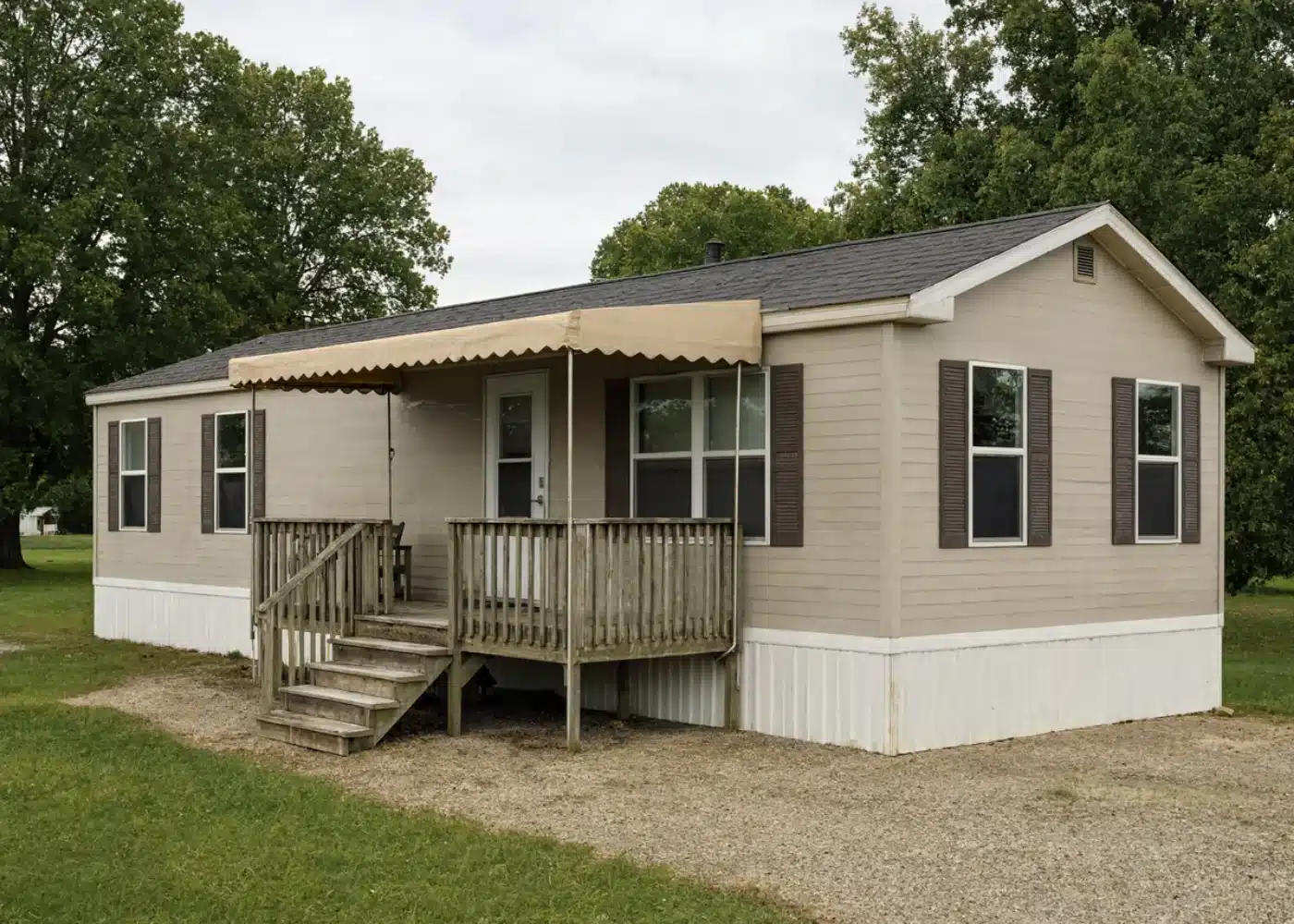
A park model is the RV that stopped being a vehicle. Skirted, decked, set on blocks and connected to utilities for fifteen years, it is a small cottage that happens to have an axle under it. That makes the transport question the first question rather than an afterthought, so we lead with it.
Where donated park models come from
Owners leaving a resort or a seasonal community. The lot lease ends or the fees rise, and the unit has to go somewhere. Selling in place depends entirely on finding a buyer who wants that specific lot, which often does not happen.
Estates. A park model in an estate is a genuinely difficult item: too big to move casually, too small to be real property in most cases, and usually sitting on land the estate does not own.
Communities and campgrounds clearing older units off lots. Those tend to come in groups, and if you have several, tell us, because one mobilization for three units is far cheaper than three.
The honest part, first
This is where the answer gets decided. A park model still on its wheels with the axle and tongue attached moves like an oversize travel trailer: a permit, sometimes an escort, and a proper tow vehicle. That is manageable and we cover it.
A unit on blocks with the axle removed and stored, skirted, with a deck and a roof-over built against it, is a different job. The deck and roof-over come off, axles and a tongue have to be sourced and fitted, and it needs a permitted oversize move. On an older unit that cost can genuinely exceed what the unit will sell for.
So we ask up front: is it on wheels or on blocks? Are the axle and tongue still with it? Is there a deck, a roof-over or an attached porch? What is connected, and is the lot accessible to a truck and trailer? The utility disconnect is your side, done by the right trade. Everything after that is ours. If the numbers do not work we will say so plainly and suggest selling it in place instead, and if you would rather the money go to the cause, sell it locally and donate the proceeds. We receipt that just the same.
What decides what a park model brings
- On wheels or on blocks. The single biggest factor, because it drives the move cost that comes out of the proceeds.
- Size and layout. Typically 8 to 12 feet wide and 35 to 40 long. A loft, a full bath and a residential kitchen all add.
- Roof and wall condition. Water intrusion is what ends these. A roof-over that was installed properly protects the unit; one that leaked behind it hides damage.
- Systems. Residential versus RV appliances, the electrical panel size, whether the plumbing was winterized, and any heat pump or mini-split.
- Attached structures. A deck and a Florida room may add value to a buyer who keeps it in place, and cost money if it has to move.
Makes we accept
Park models are shopped by manufacturer and by width.
- Common builders: Cavco, Champion, Skyline, Fleetwood, Chariot Eagle, Woodland Park, Breckenridge, Kropf, Canterbury, Forest River Quailridge.
- Also seen: General Coach, Northlander, Shore Park, Athens Park Homes, Pleasant Valley, Utopian Villa.
- Appliances buyers ask about: Dometic and Suburban RV units, or full residential from the usual household brands.
Manufacturer names appear here so you can find your own coach. No manufacturer sponsors, endorses or is affiliated with this program.
The paperwork, and what you can deduct
Towable RVs are titled in most states, though the rules vary. We will tell you which applies where you are, and the state title rules page covers the process. If there is a loan against it we need the lien release. Park models are the category where this gets genuinely complicated: some carry an RV title, some are titled as manufactured structures, and a unit that has been permanently affixed and assessed can be treated as real property. That last case changes the paperwork entirely, and if yours falls into it we will tell you, because it is no longer a vehicle donation.
Giving Center sells the unit and your deduction is the gross sale proceeds on Form 1098-C. A sound road-ready park model can clear $5,000, where the IRS requires a qualified appraisal and Form 8283 Section B at your expense. An older unit needing a costly move can land under $500, where the deduction is the lesser of fair market value or $500 with a written acknowledgment instead.
If the unit has been assessed as real property, or if it is a depreciated business asset from a campground, talk to your accountant before the pickup. Both follow different rules and both are worth a professional's time.
Park model donation questions
It is on blocks and the axles are long gone.
Then the honest answer depends on the numbers. Axles have to be sourced and fitted and a permitted move arranged, and on an older unit that can cost more than the sale. Tell us the size and location and you will get a straight answer before anything is scheduled.
Who disconnects the power, water and sewer?
You do, through licensed trades. That is a code and safety matter. The permit, the move and the paperwork are ours.
We have four units to clear off lots.
Tell us that on the form. One mobilization for four units is far cheaper than four separate moves, and more of the proceeds stay with the cause.
The roof has a roof-over on it. Is that good or bad?
Both. A properly installed roof-over protects the unit; one that leaked behind it hides rot. Tell us when it was added and whether there is any staining inside.
Could I just sell it in place and donate the money?
Yes, and on a hard-to-move unit that is often the better outcome for everybody. We receipt a cash donation the same way.
Giving Center does not provide tax, legal or financial advice. Donations are deductible to the extent allowed by law. See IRS Publication 526, Publication 561 and Publication 4303, and consult a tax professional.