
Ambulance and apparatus donation
Donate a retired ambulance instead of watching it sit behind the station
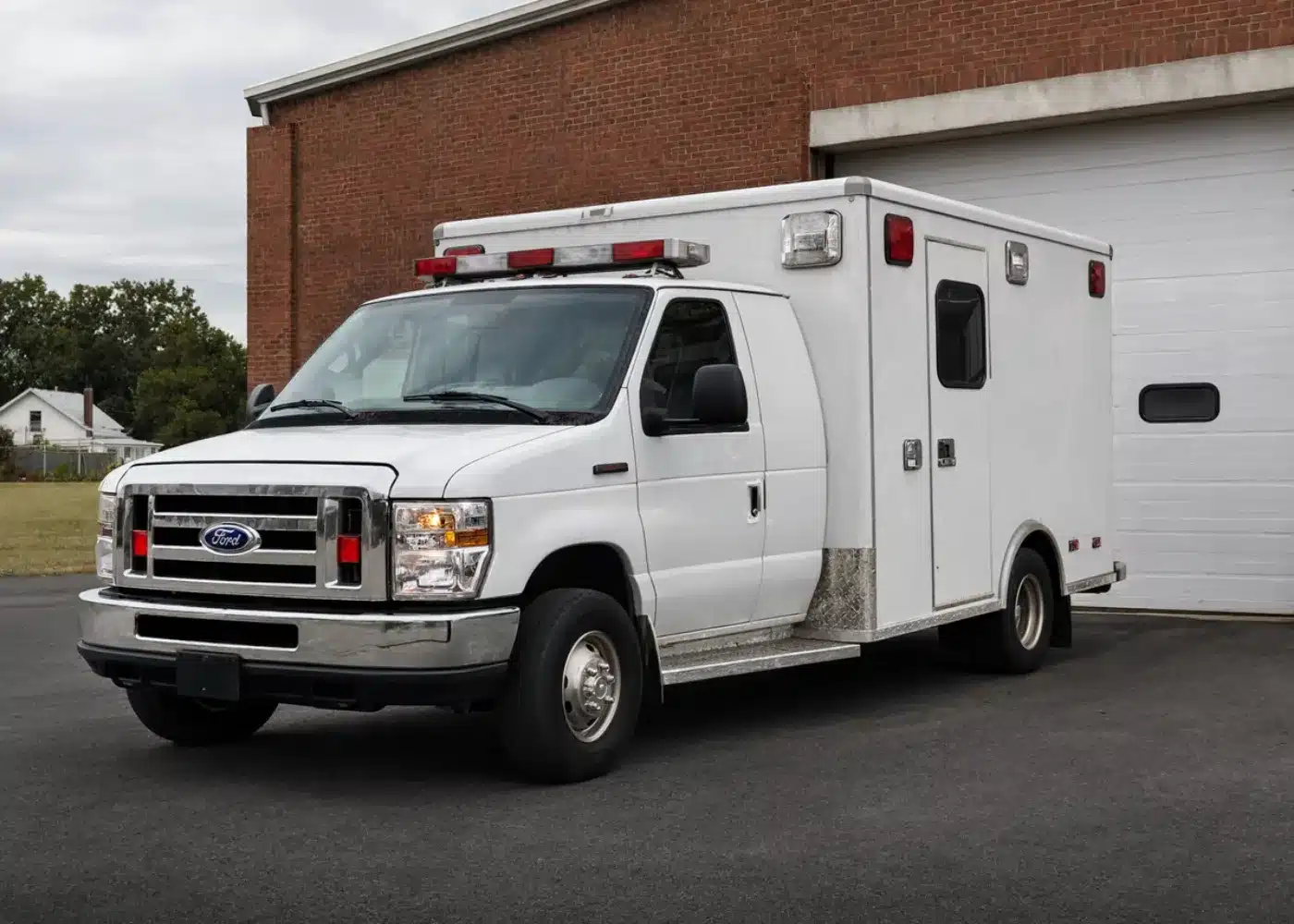
Retired apparatus is the hardest vehicle in America to dispose of. A surplus auction values it at scrap, the buyers who want it are scattered across rural departments and export brokers, and meanwhile it occupies a bay and an insurance line. There is a real market; it is simply not a local one.
Who donates apparatus
Fire districts, EMS agencies, hospitals, private ambulance services and municipalities. A unit is replaced, the old one is moved to reserve, and after a few years in reserve it is simply parked. Selling it requires finding a volunteer department in another state with a grant and a need, which is not a job a fleet manager has time for.
Film and television production, rural volunteer departments, export buyers and industrial first-response teams all buy retired apparatus. Those are the channels we sell into.
Driven or hauled, with markings handled first
A road-legal unit is driven by a transport driver with the right license class. One that cannot be driven is towed or hauled. Giving Center arranges and pays for it, and can pick up several units from one station or yard in a single visit.
Strip the unit of anything you are keeping first: monitors, radios, stretchers, oxygen and controlled substances. Tell us whether lights, sirens and lettering should be removed before sale, which most agencies require, and we will arrange it.
What decides what apparatus brings
- Chassis and drivetrain, with common diesel chassis the easiest to place.
- Mileage and engine hours, both of which matter since these units idle for much of their lives.
- Module and box condition, including whether the body has been remounted.
- Equipment included, though most agencies remove it and the unit sells as a shell.
- Pump and tank condition on fire apparatus, which drives that market entirely.
- Where it is. A unit near a corridor with export or auction access nets more than one in a remote county.
The paperwork, and what you can deduct
These are titled vehicles, and when the title is in an organization's name an authorized officer signs, usually supported by a letter on letterhead, a corporate resolution, or for a public body the minutes or purchase order authorizing the disposal. Leased units cannot be donated until bought out and titled; financed units need a payoff letter and lien release. Apportioned and IRP plates are canceled by you after pickup.
Your deduction is the gross sale proceeds once Giving Center sells it, on Form 1098-C. Above $500 you file Form 8283 Section A; above $5,000 the IRS requires a qualified appraisal you obtain and pay for. Where the donor is a business, the receipt and 1098-C are issued in the business name and the deduction follows your entity's treatment, which your accountant can confirm. Full detail on the tax benefits page.
Ambulance donation questions
Will the lights and lettering be removed?
Yes, if you require it, and most agencies do. Tell us on the first call and we will arrange it before sale.
Can a fire district donate apparatus?
Yes. We provide the documentation trail a public disposal requires and work with your chief, fleet manager or clerk.
Do you take units that do not run?
Yes, though value drops considerably. Tell us what is wrong and where it sits and we will give you an honest read.
What about a unit with a lot of equipment still in it?
Tell us what stays and what goes. Equipment that remains is documented with the unit and affects the sale figure.
Giving Center does not provide tax, legal or financial advice. Donations are deductible to the extent allowed by law. See IRS Publication 526, Publication 561 and Publication 4303, and consult a tax professional.