
Semi tractor donation
Donate a semi tractor when the truck stops earning
An owner operator retires or comes off the road for health reasons and the tractor sits at a yard accruing parking and insurance. A small fleet replaces older units. A truck with a major engine failure would cost more to repair than the next year of revenue justifies. All of these sell to buyers who rebuild or run older equipment.
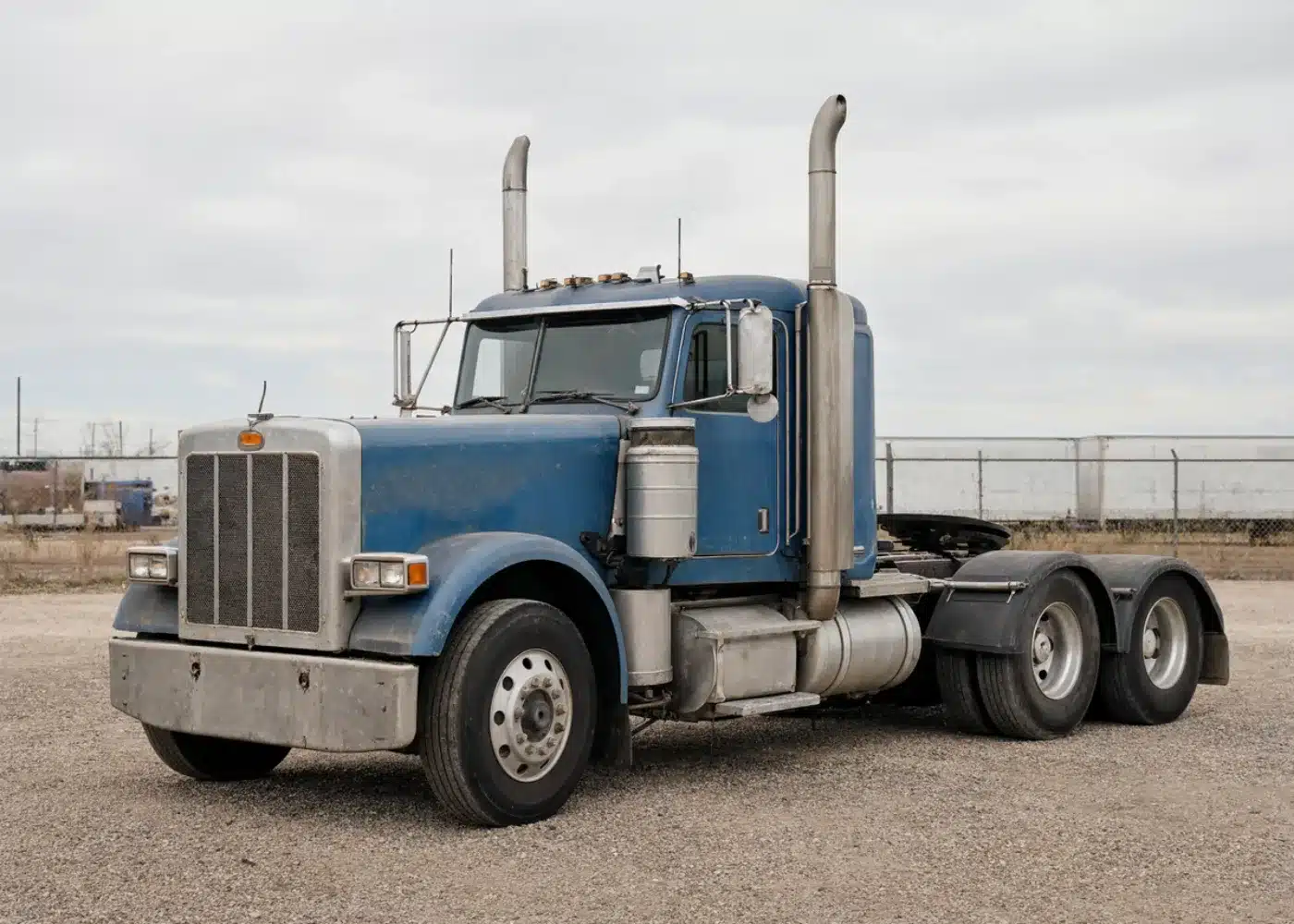
Who donates a tractor
Owner operators, mostly, at the end of a working life. A medical card that will not renew, a back that has had enough, a decision to take a local job that comes with a company truck. The tractor is often the largest asset they own and the hardest to convert, because the buyers are other owner operators with financing challenges of their own.
The other case is mechanical. A truck needing an in-frame overhaul or an after-treatment repair can cost more than the residual value, and a private buyer who understands that will bid accordingly. Rebuilders, exporters and glider buyers will still want it.
Driven by a CDL driver, or hauled if it cannot roll
A road-legal tractor is driven by a CDL driver we send. One that cannot be driven is hauled or towed by a heavy wrecker. Giving Center books and pays for it.
Tell us where the truck is parked and whether the yard needs notice, whether the batteries are live, whether the DEF system is faulted, and whether it will move under its own power. Remove your personal belongings from the sleeper and any electronics you own. Keep any maintenance file; it raises the price.
What the used tractor market pays for
- Engine make and emissions year, which drive buyer preference more than any other factor.
- Miles and engine hours, with a documented in-frame or overhaul being worth a lot.
- Transmission type. Manual and automated transmissions appeal to different buyers.
- After-treatment condition, the most common expensive failure on modern trucks.
- Rubber and brakes, eight to eighteen tires being a real number on a buyer's worksheet.
- Sleeper, APU and wet kit, each widening the market or adding value.
Titles, liens and apportioned plates
Tractors are titled and often held in a company name, in which case an authorized officer signs and we may need a letter on letterhead. A financed truck needs a payoff letter and lien release; on an underwater truck we will be honest about whether the numbers work before anything moves.
IRP and apportioned registration is canceled by you after pickup, along with any IFTA obligation. Keep the maintenance file and any ECM reports and pass them along with the truck.
What you can deduct for a tractor
Your deduction is the gross sale proceeds once Giving Center sells it, shown on Form 1098-C. Items in this class often clear $5,000, and when your claim does, the IRS requires a qualified appraisal that you obtain and pay for, plus Form 8283 Section B signed by your appraiser and by Giving Center.
We tell you before pickup whether we expect the threshold to apply, so the appraisal cost is a decision you make with the full picture rather than a surprise in April. The tax benefits page covers every case.
Semi truck donation questions
Can I donate a truck that needs an engine overhaul?
Yes, and it is one of the more common reasons owners call. Rebuilders and exporters buy them. Tell us what it needs and we will give you an honest read.
I still owe on the truck. Can I donate it?
Only if the lien can be released. If the truck is worth more than the payoff, that comes out of the proceeds. If it is underwater, you would need to cover the difference, and we will tell you plainly whether it makes sense.
Do you take trailers as well as tractors?
Yes. Dry vans, reefers, flatbeds and lowboys are covered on trailer donations, and we can pick up a tractor and trailer together.
What if the truck is at a repair shop with a bill on it?
Tell us the amount early. A shop lien must be cleared before sale and comes out of the proceeds. If it exceeds the truck's value we will say so.
Will you take a glider or a pre-emissions truck?
Yes. Older pre-emissions trucks have a strong following and often sell well.
Giving Center does not provide tax, legal or financial advice. Donations are deductible to the extent allowed by law. See IRS Publication 526, Publication 561 and Publication 4303, and consult a tax professional.