
Motorhome donation
Donate a motorhome that has become a storage bill
A motorhome depreciates whether it moves or not, and the costs do not pause: storage, insurance, tires that age out on the calendar rather than the odometer, and a chassis that does not like sitting. Most people who call us stopped traveling a year or two before they stopped paying for it.
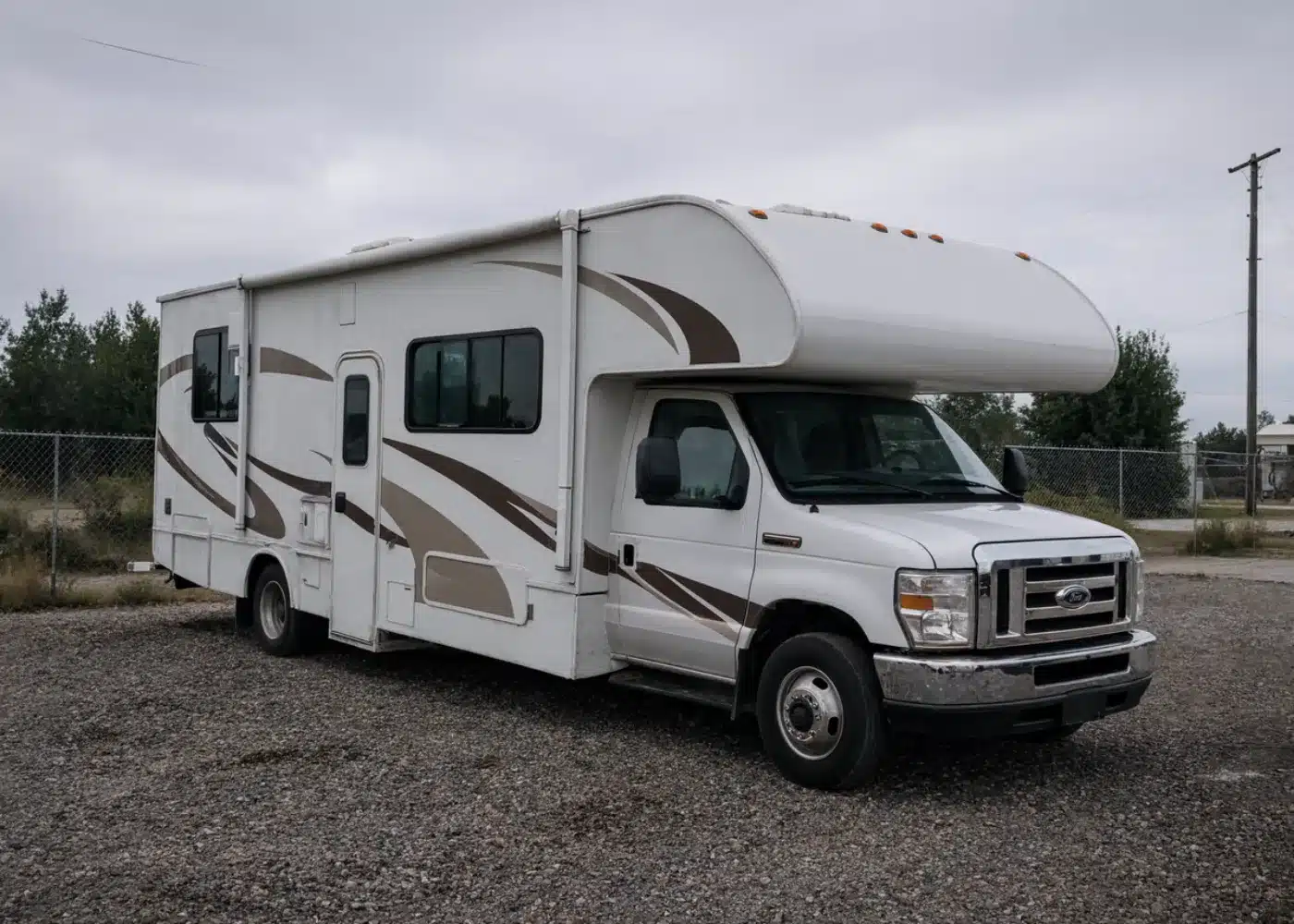
Why motorhomes get donated
Health and time. The trips stop before the ownership does, and once a coach sits for a season the list of things needing attention grows: batteries, tires, seals, a fridge that will not cool, a slide that sticks. Each of those makes a private sale harder and the price lower, so people wait, and waiting makes it worse.
The second pattern is a known problem nobody wants to disclose over and over: a soft floor, a delaminated wall, a failed slide motor. Selling that privately means the same uncomfortable conversation with a dozen strangers. We accept it as it is and tell you realistically what to expect.
Driven if it runs, hauled if it does not
A motorhome that runs and is safe to drive is driven out by a transport driver. One that does not run is towed by a heavy-duty wrecker or hauled. Either way Giving Center arranges and pays for it, from a driveway, a storage lot, an RV park or a repair shop.
Before scheduling we ask the length, whether the tires and brakes are serviceable, whether the slides retract, and how much room a truck has to maneuver. Empty the black and gray tanks if you can, clear your belongings, and tell us in advance if some contents remain.
What decides what a motorhome brings
- Water intrusion, the first thing every buyer checks and the biggest single factor.
- Roof and seals, with a recent reseal a genuine selling point.
- Chassis and engine, plus tire age regardless of mileage.
- Slides, generator and appliances in working order.
- Length, with units under about 30 feet reaching the widest set of buyers and campgrounds.
- Interior condition and odor, since smoke and pet smell are hard to remedy and shrink the buyer pool.
The paperwork, and what you can deduct
This is a titled vehicle, so you sign the title over at pickup. If it is missing, most states issue a duplicate to the registered owner in one to four weeks, and a few require your signature to be notarized; see state title rules. Any recorded lien must be released before sale. After pickup, cancel the registration and notify your insurer.
Your deduction is the gross sale proceeds once Giving Center sells it, on Form 1098-C. Items in this class often sell below $500, in which case you may deduct the lesser of fair market value or $500. Above $500 you file Form 8283 Section A; above $5,000 the IRS requires a qualified appraisal you obtain and pay for. We tell you which to expect before pickup. Full detail on the tax benefits page.
Motorhome donation questions
Will you take a motorhome that does not run?
Yes, towed or hauled at our expense. A sound coach with a bad engine still has a market.
What if it has water damage?
Still accepted. It lowers the sale figure, sometimes below $500, and we will tell you where we expect it to land before pickup.
Can you pick up from a storage facility?
Yes, routinely. Let the office know we are coming and settle any balance, since a facility with a lien cannot release the unit.
I still owe on it. Can I donate?
Only once the lien is released. If the coach is worth less than the payoff we will be honest about whether it makes sense.
Giving Center does not provide tax, legal or financial advice. Donations are deductible to the extent allowed by law. See IRS Publication 526, Publication 561 and Publication 4303, and consult a tax professional.